GLP-1 Peptides Went Mainstream — Here’s What Got Lost in Translation
GLP-1 Peptides :The rise of GLP-1 receptor agonists like Ozempic, Wegovy, and Mounjaro has been nothing short of transformative. Originally developed for type 2 diabetes, these medications have become household names for their remarkable weight-loss effects, with some patients losing 15–20% of their body weight . But as these drugs have gone mainstream, the conversation has often skipped over critical nuance—and some of what’s been lost in translation matters.
The GLP-1 Revolution: Quick Recap
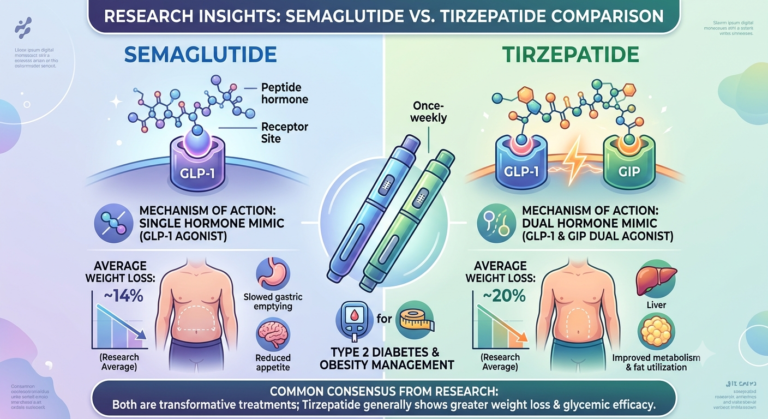
GLP-1 receptor agonists work by mimicking a natural hormone that regulates blood sugar and appetite . They slow gastric emptying, increase feelings of fullness, and signal the brain to reduce food intake . For people with type 2 diabetes, they also stimulate insulin release when blood sugar is high—a glucose-dependent action that makes them safer than some other diabetes treatments .
The results have been impressive. Clinical trials show semaglutide produces about 15% body weight loss on average; tirzepatide (which also mimics GIP) produces about 20% . Some patients lose 30% or more . Beyond weight and diabetes, these drugs reduce cardiovascular events, slow chronic kidney disease progression, and show emerging benefits for conditions ranging from sleep apnea to fatty liver disease .
But behind the headlines, a more complicated picture has emerged.
1. The Muscle Loss Question: More Complex Than the Headlines Suggest
One of the most discussed “lost in translation” issues is muscle loss. The data shows that 15–40% of total weight lost on GLP-1s comes from lean muscle mass . In the STEP 1 trial, semaglutide users experienced 43–45% of their total weight loss from lean mass; tirzepatide users lost approximately 25.7% from lean mass . This exceeds the 11–25% lean mass contribution from diet alone and rivals bariatric surgery .
That sounds alarming—and it is a genuine concern, particularly for older adults, people with sarcopenia, or those with limited muscle reserves . Loss of muscle mass can impair glucose disposal, physical function, and increase frailty risk .
However: the clinical picture is more nuanced. Several experts point out that loss of lean mass during weight loss is physiologic—your body needs less muscle to carry around a smaller frame . One study in people with HIV found that despite significant muscle loss on semaglutide, there was no significant change in physical function, and quality of life and physical activity actually increased . As one obesity expert put it: “Weakness associated with muscle loss doesn’t seem to be a big clinical problem”—though he caveated that certain subgroups, like those with pre-existing sarcopenia, need closer attention .
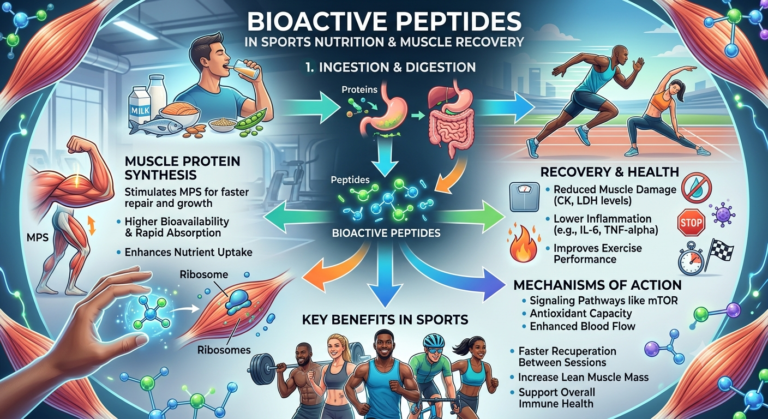
What got lost: The muscle loss is real, but it’s not necessarily the clinical crisis many headlines suggest for most healthy patients. The key is active management: adequate protein intake (0.5–0.7g per pound of body weight) and resistance training are the most effective ways to preserve lean mass .
2. The Bone Loss Concern Nobody Is Talking About
While muscle loss grabs headlines, bone loss may be the more underappreciated issue .
A 2011 study found that postmenopausal women who lost weight via exercise lost bone mineral density—and didn’t regain it when weight returned . More recently, a clinical trial found that exercise plus liraglutide preserved bone mineral density, whereas liraglutide alone reduced it at clinically relevant sites despite similar weight loss .
In the SELECT cardiovascular outcomes trial, there was no overall difference in fractures between semaglutide and placebo, but subanalyses showed women and those over 75 had higher hip and pelvic fracture rates with semaglutide .
What got lost: Bone loss may be a longer-term risk, particularly in postmenopausal women and older adults . As one expert noted: “People talk about the lean mass all the time, but I think the bone is a unique angle that we need to keep an eye on” .
3. Weight Regain Is Expected—Not a Failure
A person taking Wegovy will lose approximately 12% of their body weight on average—but if they stop abruptly, they’ll likely regain two-thirds of that weight . This is often framed as a failure of the drug or the patient, but the reality is different.
What got lost: Obesity is a chronic disease requiring long-term management . Stopping a GLP-1 is like stopping a blood pressure medication—the underlying condition doesn’t disappear. The “rebound effect” shows the drug was working, not that it failed .
4. Side Effects Are Common—But Manageable
Nearly all patients experience some side effects, particularly gastrointestinal issues like nausea, vomiting, constipation, and diarrhea . About half of adults who start GLP-1s stop within a year, with many reporting side effects as a contributor .
But these effects are often transient and manageable with proper support:
- Starting at a low dose and gradually increasing
- Eating smaller, more frequent meals
- Avoiding fatty or fried foods
- Staying hydrated and prioritizing fiber
- Ensuring adequate protein intake
What got lost: Patients who get prescriptions without ongoing support are far more likely to quit before their body has adjusted . The problem isn’t just the side effects—it’s the lack of wraparound care .
5. Not Everyone Responds
Roughly 10–15% of patients lose close to no weight at all, even at the maximum dose . There’s no reliable way to predict who will be a “non-responder,” but doctors typically know within the first few weeks whether the appetite suppression is kicking in .
What got lost: GLP-1s are highly effective on average, but they don’t work for everyone—and that’s normal .
6. GLP-1s Are Not Just for Weight Loss
The benefits extend far beyond the scale. GLP-1s reduce the risk of heart attack, stroke, and heart failure; slow chronic kidney disease progression; and show emerging promise for conditions including Alzheimer’s, addiction, and sleep apnea .
What got lost: The conversation often focuses on weight loss, but for many patients, the cardiovascular and kidney benefits are just as important—and may be the primary reason for prescription .
7. “Natural” Alternatives Are Not the Same—and Can Be Dangerous
The GLP-1 shortage created a boom in “natural” GLP-1 supplements and compounded versions. The FDA does not check compounded drugs for safety, effectiveness, or quality .
What got lost: GLP-1 receptor agonists are pharmaceutical drugs with rigorous clinical trial data. “Natural” alternatives are not the same, and patients should be wary of claims that they are .
8. The Cost and Access Problem Is Real
GLP-1s can cost over $1,000 a month, though insurance and discount programs can reduce this . Availability is highest in high-income countries, and shortages have occurred due to high demand .
What got lost: Access to drugs does not equal access to care. Wraparound support—nutrition, exercise guidance, side effect management—is critical for success, and it’s often missing .
The Bottom Line
GLP-1s are genuinely transformative medications. They are safe, effective, and backed by decades of clinical data . But the mainstream conversation has often glossed over important nuance: muscle and bone loss require active management, weight regain is expected, side effects are common but manageable, and the drugs work best within a framework of comprehensive care.
As one expert put it: “These are effective, game-changing medications, but they need to be used appropriately” . The lost-in-translation pieces aren’t reasons to avoid GLP-1s—they’re reasons to use them wisely.