Peptides for Joint & Gut Health 2026: Science-Backed Benefits & Guide
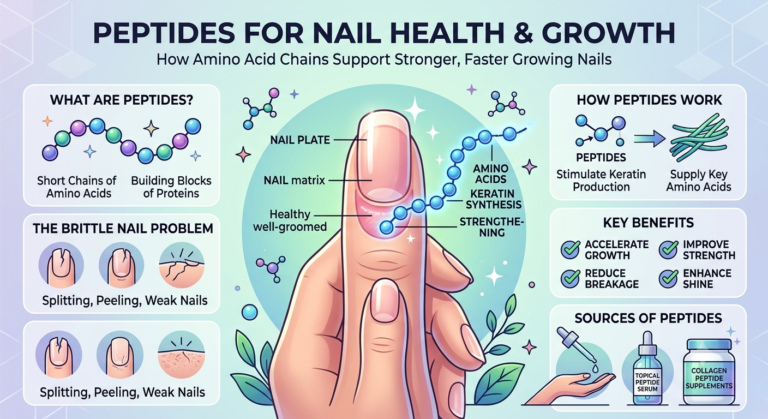
Peptides for Joint & Gut Health :Peptides have emerged as one of the most exciting frontiers in health and wellness, capturing the attention of athletes, biohackers, and medical professionals alike. But what exactly are they, and why are they generating so much buzz? In simple terms, peptides are short chains of amino acids—typically containing between two and forty-eight amino acids—that act as signaling molecules in the body . Think of them as the body’s communication system, relaying specific messages that trigger biological responses such as tissue repair, immune function, and inflammation control. Unlike larger proteins, peptides are small enough to be easily absorbed and can exert powerful effects at very low doses, making them exceptionally efficient therapeutic agents .
The connection between joint and gut health is far more profound than most people realize. The gut houses approximately 70% of the body’s immune system, and when the intestinal barrier becomes compromised—a condition often referred to as “leaky gut”—systemic inflammation can spread throughout the body, affecting joints, skin, and even brain function . This gut-joint axis explains why digestive issues and joint pain frequently occur together. Peptides offer a unique solution by addressing both areas simultaneously, working at the cellular level to repair damaged tissues, modulate immune responses, and restore balance. Unlike conventional treatments that simply mask symptoms, peptides work with the body’s innate healing mechanisms, providing the raw materials and signaling needed for genuine repair .
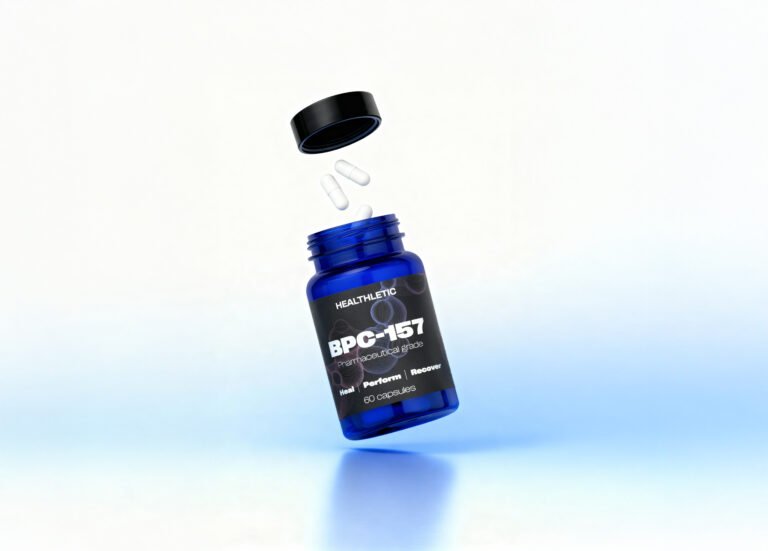
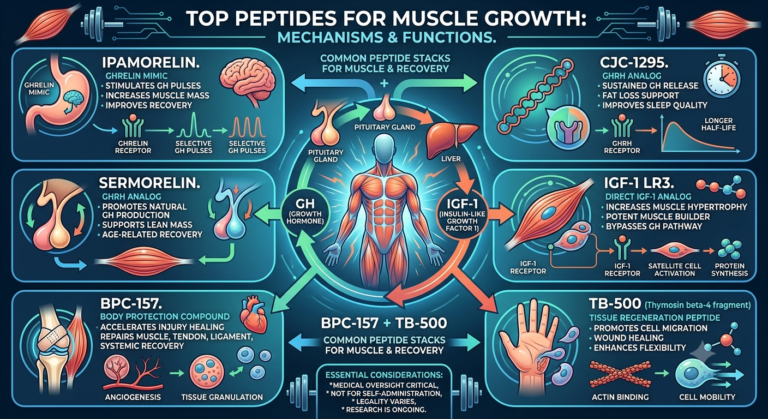
Two peptides, in particular, have garnered significant attention for their remarkable ability to support both joint and gut health: BPC-157 and KPV. BPC-157, short for Body Protection Compound 157, is a synthetic peptide derived from a protein found in human gastric juice. It has demonstrated an extraordinary capacity for tissue repair across multiple systems—from healing tendons and ligaments to repairing the intestinal lining . KPV, another gut-derived peptide, works synergistically with BPC-157 to calm inflammatory responses, particularly within the digestive system . Together, these compounds represent a comprehensive approach to healing that addresses the root causes of both joint discomfort and digestive distress, rather than merely managing symptoms.
2. How Do Peptides Support Joint Health?
Joint pain and stiffness are among the most common complaints as we age, affecting millions worldwide and significantly diminishing quality of life. The science of peptides offers new hope, not through temporary pain relief but through genuine tissue repair and regeneration. Peptides support joint health through multiple interconnected mechanisms, including reducing inflammation, protecting cartilage, and promoting the repair of tendons, ligaments, and other connective tissues . Unlike over-the-counter pain relievers that merely mask discomfort, peptides address the underlying biological processes that cause joint deterioration.
One of the most extensively studied peptides for joint health is BPC-157, which has shown remarkable potential in accelerating the healing of musculoskeletal injuries. Research suggests that BPC-157 promotes angiogenesis—the formation of new blood vessels—bringing fresh oxygen and nutrients to damaged areas such as tendons and ligaments that have notoriously poor blood supply . This process accelerates fibroblast growth and collagen synthesis, essential components of tissue repair . Studies in animal models have demonstrated that BPC-157 supports healing in tendons, ligaments, and muscles, making it particularly valuable for athletes and active individuals recovering from injuries .
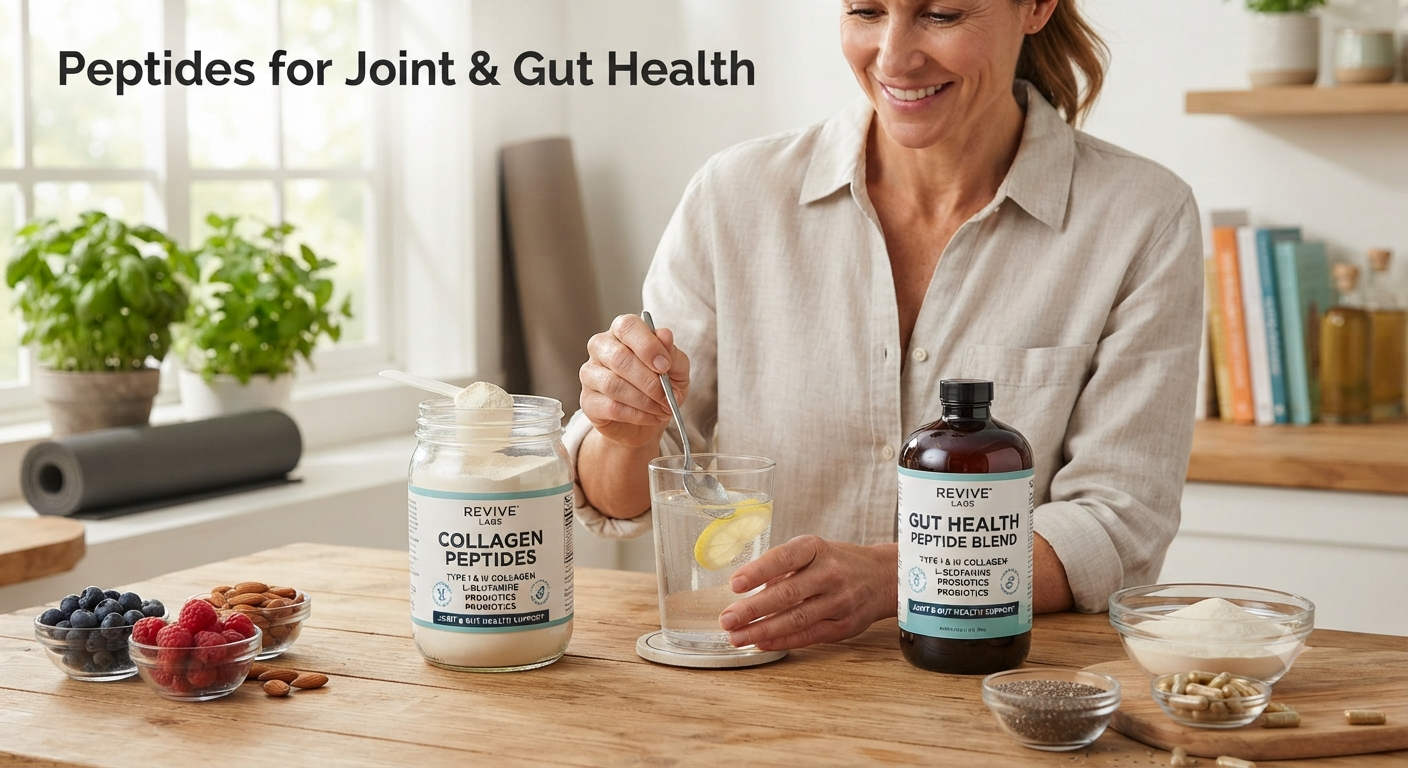
Collagen peptides represent another powerful category of joint-supporting compounds. Collagen is the most abundant protein in the body, providing structure to cartilage, tendons, ligaments, and bone . As we age, natural collagen production declines, contributing to joint discomfort and reduced mobility. Low-molecular-weight collagen peptides are smaller and more bioavailable than regular collagen, allowing for superior absorption and tissue integration . A recent study published in the International Journal of Molecular Sciences found that synthetic deer antler peptides reduced arthritic pain and cartilage degeneration in an animal model of knee osteoarthritis . Similarly, research on bovine collagen peptides has demonstrated significant improvement in joint function, pain reduction, and quality of life in osteoarthritis patients . Even more impressive, a double-blind clinical trial found that just 2.5 grams daily of high-functional collagen peptides was equivalent in efficacy to 10 grams of conventional collagen peptides, showing that quality and bioavailability matter enormously .
The multi-target mechanism of peptides makes them uniquely effective for joint health. Food-derived peptides have been shown to possess anti-inflammatory, immunomodulatory, and antioxidant properties, working through three core pathways: inhibiting inflammatory signaling pathways like NF-κB and MAPK, regulating cartilage matrix metabolism by balancing degradation and synthesis, and providing antioxidant protection that shields chondrocytes (cartilage cells) from oxidative stress and apoptosis . This multi-pronged approach addresses the complex nature of joint degeneration, offering therapeutic potential that goes far beyond conventional symptom management.
3. How Do Peptides Support Gut Health?
The health of the gastrointestinal tract is foundational to overall wellness, yet it’s often overlooked until digestive issues become problematic. Peptides are uniquely positioned to support gut health through multiple mechanisms, including repairing the intestinal lining, modulating immune responses, and promoting a balanced gut microbiome. The intestinal epithelium is a single layer of cells that serves as a critical barrier, protecting the body from harmful pathogens while allowing nutrient absorption. When this barrier becomes compromised—often due to stress, poor diet, or medications—inflammation can cascade throughout the body .
BPC-157 is particularly remarkable for its gut-healing properties, which makes sense given its origins in gastric juice . Research has demonstrated that BPC-157 supports the repair of the mucosal lining, helps maintain intestinal barrier integrity, and promotes the healing of ulcers and inflammatory bowel conditions . By enhancing the integrity of the gut barrier, BPC-157 helps prevent the translocation of harmful substances from the gut into the bloodstream, reducing systemic inflammation and its downstream effects on joints, skin, and brain function . The peptide KPV works alongside BPC-157 to calm inflammatory responses within the digestive system, making the combination particularly effective for addressing chronic gut issues . This synergy explains why the “BPC-157 + KPV” stack has become a popular protocol for comprehensive gut repair .
Beyond these specialized peptides, dietary and food-derived peptides play a crucial role in gut health by interacting with the gut microbiome. Bioactive peptides have been shown to influence the composition of gut microbes, promoting beneficial bacteria while inhibiting pathogenic strains . This interaction creates a virtuous cycle—peptides support beneficial gut bacteria, and these bacteria, in turn, help digest proteins into additional bioactive peptides . Research indicates that peptides can modulate the gut microenvironment by regulating specific bacteria species such as lactic acid bacteria and bifidobacteria, potentially helping to alleviate various digestive disorders . Additionally, peptides from food sources have demonstrated the ability to support immune function and modulate cytokine production, further contributing to gut barrier integrity and overall digestive comfort . This dynamic interplay between dietary peptides and gut microbiota highlights the importance of a holistic approach to gut health that incorporates both targeted peptide supplementation and a nutrient-rich diet .
4. Peptides for Joint and Gut Health: Frequently Asked Questions
Will I be charged any additional fees?
No, you can be rest assured that your purchase is a straightforward one-time payment. There are no hidden charges, subscription fees, or recurring costs. The price you see at checkout is the final price you pay, and there are no automatic renewals or ongoing commitments. Your investment is protected, and you have complete control over your purchase.
How safe are peptides for joint and gut health?
Peptides are considered generally safe and well-tolerated for most healthy individuals. BPC-157 is an endogenous peptide—meaning it’s already produced naturally by the body—which suggests a favorable safety profile . The formulation is typically crafted using natural and clean ingredients, free from artificial additives and synthetic fillers, which reduces the likelihood of adverse reactions . However, as with any supplement, quality matters enormously. It’s essential to choose products manufactured in GMP-certified facilities using globally sourced, high-quality ingredients. The most commonly reported side effects are mild digestive upset when first starting use, which often resolves with continued use or by taking the supplement with food . If you have sensitivities to peptide components or other ingredients, it’s advisable to start with a lower dose and monitor your response.
Can I use peptides with other supplements?
Peptides generally work well with other supplements and can even be synergistic with certain compounds. However, there are some cases where other supplements may contain similar ingredients, and users should be mindful of exceeding recommended dosages of any particular compound. For instance, if you’re already taking collagen supplements, you may want to adjust your peptide intake accordingly. The combination of BPC-157 and KPV is often used together for comprehensive gut and joint support, as they complement each other’s mechanisms . When in doubt, consult with a healthcare professional who can provide personalized guidance based on your specific supplement regimen and health status.
How quickly can I expect to see results?
Results vary significantly based on individual factors, including metabolism, diet, lifestyle, and consistency of use. Unlike pharmaceuticals that provide immediate but temporary effects, peptides work gradually to support the body’s natural healing processes. Some users report noticing improvements in joint comfort and digestive regularity within the first few weeks, while others may require 60 to 90 days of consistent use to experience meaningful benefits . The brand recommends a duration of 90 to 180 days for optimal results, as tissue repair and gut healing take time. Patience and consistency are essential—this is a long-term wellness strategy, not a quick fix.
Are peptides suitable for vegetarians or vegans?
Most peptide formulations are derived from animal sources—BPC-157 is a synthetic version of a peptide found in human gastric juice, while collagen peptides come from bovine, porcine, chicken, or fish sources . However, some formulations, such as Biote’s BPC-157 + KPV, are described as vegan and hypoallergenic . It’s always advisable to check the specific product label or contact the manufacturer directly to confirm suitability for vegetarian or vegan diets.
What is the recommended dosage?
The recommended daily dosage varies depending on the specific peptide and formulation. For BPC-157 supplements, typical recommendations range from 500 mcg to 1,000 mcg daily . For collagen peptides, clinical studies have used dosages ranging from 2.5 grams to 10 grams daily, with even low doses showing significant benefits when using high-quality, high-functional products . Always follow the manufacturer’s recommended serving size and avoid exceeding it in an attempt to “speed up” results. Consistency is far more important than high dosage.
Can I take peptides if I have a medical condition?
If you have a pre-existing medical condition, are pregnant or nursing, or are taking prescription medications, it is essential to consult with a healthcare professional before starting any new supplement regimen. While peptides are generally well-tolerated, they may interact with certain medications or be contraindicated for specific health conditions. For instance, collagen supplements derived from fish sources may be a concern for those with fish or shellfish allergies . Your healthcare provider can offer personalized guidance based on your individual health profile.
How should peptides be stored?
To preserve potency, store peptide supplements in a cool, dry place away from direct sunlight and extreme heat. Follow the specific storage instructions on the product label. For liquid forms, refrigeration may be recommended.
Are peptides approved by the FDA?
As of 2026, the FDA has not approved BPC-157 or many other peptides for human consumption as therapeutic agents . Peptides are often marketed as dietary supplements, which are regulated differently from pharmaceutical drugs. It’s important to understand this distinction and approach peptide supplementation with informed caution. The lack of FDA approval does not necessarily indicate lack of efficacy but rather reflects the regulatory pathway for supplements versus drugs.
What’s the difference between BPC-157 and collagen peptides?
BPC-157 is a specific signaling peptide that triggers healing and repair mechanisms throughout the body . It works at a cellular level, influencing angiogenesis, growth factor expression, and cytokine modulation. Collagen peptides are structural proteins that provide the raw materials for building and repairing connective tissues . While they serve different primary roles, they can be complementary—BPC-157 signals the body to heal, and collagen peptides provide the building blocks for that repair.
5. Benefits of Peptides for Joint and Gut Health
- Supports Tissue Repair and Regeneration – BPC-157 promotes healing of tendons, ligaments, muscles, and joint tissues through angiogenesis and growth factor upregulation .
- Protects and Repairs Gut Barrier Integrity – Strengthens the intestinal lining, supporting the body’s ability to maintain a healthy gut barrier and protect against leaky gut .
- Reduces Systemic Inflammation – Peptides like KPV help calm inflammatory responses in both the digestive system and joints, addressing inflammation at its source .
- Promotes Cartilage Health and Joint Comfort – Collagen peptides support cartilage integrity, reduce joint pain, and improve mobility in conditions like osteoarthritis .
- Modulates Immune Function – Peptides support healthy immune responses by modulating cytokine production and immune cell activity .
- Antioxidant Protection – Food-derived peptides combat oxidative stress, protecting chondrocytes and intestinal cells from damage .
- Supports the Gut Microbiome – Bioactive peptides influence the composition of gut bacteria, promoting beneficial microbes and inhibiting pathogenic strains .
- Enhances Tissue Synthesis – Collagen peptides provide the building blocks needed for collagen production, supporting joint, bone, and connective tissue health .
- Improves Digestive Comfort – Peptides support healthy digestion, reduce gut sensitivity, and promote overall gastrointestinal wellness .
- Non-Habit Forming, Clean Formula – Peptides work with the body’s natural processes without causing dependency or significant side effects .
- Addresses the Gut-Joint Axis – By supporting both gut health and joint function simultaneously, peptides provide comprehensive wellness benefits that treat the root causes rather than isolated symptoms .
- Synergistic Action – Combinations like BPC-157 and KPV create complementary benefits, making the whole greater than the sum of its parts .
6. Does This Supplement Have a Money-Back Guarantee?
180-DAYS 100% MONEY BACK GUARANTEE. Peptides for joint and gut health come with an exceptional 180-day satisfaction guarantee, providing you with a completely risk-free opportunity to experience the benefits of this powerful supplement. This six-month window gives you ample time to use the product consistently, allow the peptides to accumulate in your system, and assess whether it delivers the joint comfort and digestive wellness you’re seeking.
The guarantee terms are straightforward: if within 180 days of your purchase you are not completely satisfied for any reason, you can request a full refund of your purchase price—even if the bottles are empty. This generous refund policy reflects the manufacturer’s confidence in their formulation and commitment to customer satisfaction. It essentially offers you a six-month trial period—if the product works for you, great; if it doesn’t, you can ask for your money back.
This is particularly valuable for peptides, which often require consistent use over several weeks or months before their full benefits become apparent. Unlike quick-fix products that show immediate results, peptides work gradually to support the body’s natural healing processes, making a longer trial period essential for proper evaluation. The 180-day guarantee ensures you have enough time to assess whether this approach aligns with your health goals without feeling rushed or pressured. Whether you’re looking to support joint health, improve digestive comfort, or address both simultaneously, this guarantee provides peace of mind that your investment is protected.
7. Real User Reviews
Sarah Mitchell – 41, Yoga Instructor from Boulder, Colorado
“As a yoga instructor, my body is my instrument—and for the past few years, I’d been feeling like that instrument was badly out of tune. I’d been dealing with chronic joint discomfort in my knees and wrists, which made even basic yoga sequences challenging. More troublingly, I’d also developed digestive issues that no amount of dietary changes seemed to resolve. I was constantly bloated, had food sensitivities that appeared out of nowhere, and felt like my body was working against me instead of with me. I was skeptical when a fellow instructor mentioned peptides, but I was also desperate enough to try anything natural and non-habit forming. I started taking a BPC-157 and collagen peptide combination daily. The first couple of weeks, I didn’t notice much—which I later learned is normal since peptides work gradually. By the end of the first month, however, I realized I was moving through my yoga flows with noticeably less discomfort. My knees weren’t complaining during lunges, and my wrists felt more stable during planks. But the real surprise was my gut—the bloating had decreased significantly, and I wasn’t reacting to foods that used to trigger digestive distress. By the second month, I felt like a different person. I had more energy, my skin looked better, and I could finally enjoy meals without anxiety about what might happen afterward. I’ve been taking peptides for six months now, and I honestly feel like I’ve reclaimed my body. If you’re struggling with joint and gut issues—which are often connected, as I learned—I can’t recommend this approach strongly enough. It’s not a quick fix, but it’s real, sustainable healing.”
James Anderson – 55, Retired Construction Foreman from Austin, Texas
“After thirty years in construction, my body was paying the price—and I don’t just mean the expected wear and tear. My knees were shot, my shoulders constantly ached, and I had developed digestive issues that I’d been told were just part of getting older. I’d tried everything—prescription anti-inflammatories that gave me stomach issues, glucosamine and chondroitin that didn’t seem to do much, and countless other supplements that were more hype than help. Honestly, I’d resigned myself to just living with the pain and discomfort. Then my wife, who’d been researching peptides for her own joint issues, convinced me to give them a try. I started with a combination of BPC-157 and collagen peptides, taking them daily with my breakfast. I’m not going to lie—the first few weeks, I didn’t notice anything dramatic. But I stuck with it, figuring I’d already spent money on worse things. Around week five, I realized I was getting through my morning walks without the usual knee stiffness. By week eight, I was sleeping through the night without being woken by joint pain. The digestive improvements were almost more surprising—the bloating and discomfort that had become my normal just started fading away. Three months in, I’m a different person. I’m more active, I’m not constantly reaching for pain relief, and I actually feel good in my body again. I’m not saying it’s a miracle—I’m still 55 with a history of hard physical labor—but it’s the closest thing to a genuine solution I’ve found. The 180-day guarantee made it a no-brainer to try, and I’m glad I did.”
Emily Chen – 38, Marketing Executive and Marathon Runner from Portland, Oregon
“Balancing a demanding career with marathon training was pushing my body to its limits—and those limits were starting to show. I’d been dealing with persistent joint discomfort in my hips and knees, which made my long runs feel more like punishment than pleasure. Worse, I’d started having digestive issues that I suspected were related to the stress I was putting on my body. My energy was flagging, my recovery times were getting longer, and I felt like I was aging faster than I should. A friend in the running community mentioned that peptides had been a game-changer for her recovery, so I started doing my research. What attracted me to the approach was the science—peptides like BPC-157 and collagen weren’t just masking pain; they were actually supporting tissue repair. I started taking a daily supplement combining both, along with KPV for gut support. The first couple of weeks were uneventful, but by the end of the first month, I noticed my post-run recovery was significantly better. My joints weren’t as stiff, and I wasn’t reaching for ice packs after every long run. By week six, the digestive issues that had been plaguing me for months were noticeably improved. I could eat normally before runs without worrying about discomfort. By the third month, I was not only running better but feeling stronger and more energetic overall. I recently set a personal best at a half marathon, and I honestly believe peptides played a significant role in my training and recovery. For anyone who’s physically active—whether you’re a serious athlete or just someone who wants to stay active as you age—peptides are worth exploring. They’re not a shortcut, but they’re genuine support for your body’s natural healing processes.”
Conclusion: Take Control of Your Joint and Gut Health Today
The connection between joint health and gut health is profound, and peptides offer a unique, science-backed approach to addressing both simultaneously. By working with the body’s natural healing mechanisms, peptides like BPC-157, KPV, and collagen support tissue repair, reduce inflammation, and promote digestive wellness at the cellular level. Whether you’re dealing with chronic joint discomfort, persistent digestive issues, or simply want to support your body’s natural healing processes as you age, peptides offer a natural, non-habit-forming solution.
The research is promising—from clinical trials demonstrating the effectiveness of collagen peptides for osteoarthritis to animal studies showing BPC-157’s remarkable tissue-healing properties. While more human studies are needed, the existing evidence and real-world user experiences suggest that peptides represent a legitimate, valuable tool for whole-body wellness .
Your joint and gut health are foundational to your quality of life. Investing in them is one of the most important decisions you can make. With the 180-day money-back guarantee, you can experience the benefits risk-free. Don’t let joint discomfort and digestive issues control your life—take the first step toward genuine healing and renewed vitality today.
Disclaimer: This content is for informational purposes only and does not constitute medical advice. Peptides and dietary supplements are not intended to diagnose, treat, cure, or prevent any disease. Results vary based on individual factors. Always consult with a healthcare professional before starting any new supplement, especially if you have pre-existing medical conditions, are pregnant or nursing, or are taking prescription medications. Past performance does not guarantee future results. Conduct your own research before making any purchasing decision.
Read also